

One of the most talked-about agreements in contemporary motorsport is Lewis Hamilton’s new contract with Ferrari. His 2025 pay, which is estimated to be approximately $60 million a year, represents more than just a financial victory; it also signifies a resurgence of status for the driver and the venerable team. For Ferrari, it’s a sign of will to regain supremacy, while for Hamilton, it’s the next step in a career already filled with records.
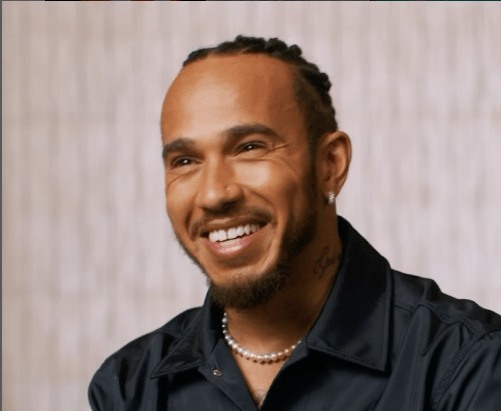
Hamilton received a base pay of approximately $35 million over his lengthy employment with Mercedes, which increased to almost $45 million as his contract came to a close. The Ferrari offer, however, was much higher—a blatant recognition of his legacy and star power. Both parties especially benefit from the deal. It provides Ferrari with international recognition and marketing power. For Hamilton, it strengthens his reputation as a worldwide brand in addition to his stature as an athlete.
| Category | Details |
|---|---|
| Full Name | Lewis Carl Davidson Hamilton |
| Date of Birth | January 7, 1985 |
| Birthplace | Stevenage, Hertfordshire, England |
| Occupation | Formula 1 Driver |
| Current Team | Scuderia Ferrari (from 2025) |
| Annual Salary 2025 | $60 million (including bonuses) |
| Net Worth 2025 | Approximately $285 million |
| Career Highlights | 7-Time Formula 1 World Champion, 103 Grand Prix Wins |
| Sponsors | Tommy Hilfiger, Puma, IWC, Sony |
| Reference |
Ferrari made this significant investment in Hamilton for symbolic reasons as well as lap times. The switch to Ferrari changes his story after he has been the face of Mercedes’ success for years. This collaboration was designed as much for commercial appeal as for athletic aspirations. Ferrari’s red suit, worn by one of the most well-known racing personalities, turns into a visual headline in and of itself. It is incredibly successful in drawing sponsorships and rekindling fan passion.
Hamilton receives $60 million a year in compensation, which includes large performance bonuses and business obligations. According to some, the amount could potentially surpass $75 million year with endorsements. These agreements are associated with well-known luxury brands, including Sony, Puma, IWC Schaffhausen, and Tommy Hilfiger, all of whom benefit greatly from Hamilton’s character. His earnings structure, which places him with international superstars like LeBron James and Roger Federer, is a highly effective fusion of physical ability and clever branding.
Hamilton has built a complex empire over the years. His current estimated net worth of $285 million goes well beyond the money he receives from Formula 1 races. Hamilton has established an empire based on creativity and purpose, from his investments in sustainable fashion and filmmaking to his real estate endeavors in Monaco, London, and New York. This adaptability does wonders for guaranteeing financial security outside of racing.
Ferrari’s strategy shift toward legacy branding is further supported by his signing. In addition to being a driver, Hamilton is viewed by Ferrari’s top management as a cultural ambassador who can help the company embrace sustainability, diversity, and luxury—values that are highly appealing in today’s marketplaces. Sport and storytelling are a particularly creative combination that appeals to both high-value partners and younger consumers.
Hamilton’s impact can be seen in his leadership style and advocacy tactics in addition to his pay stub. He has utilized his position to talk about anything from diversity in motorsport to climate responsibility throughout his career. His involvement puts him in the unique position of being an athlete who inspires change, elevating him above the status of a mere racer. His attraction to sponsors is strengthened by this deeper resonance, which also solidifies his financial stability.
According to reports, his Ferrari contract includes a third-year option, with the first two seasons—2025 and 2026—forming the basis of a possible long-term partnership. The contract’s duration reflects Ferrari’s aim to create consistency and steer clear of the instability that marked previous driver lineups. This time frame gives Hamilton flexibility; before making a commitment, he can evaluate his performance, physical preparedness, and business interests.
It’s interesting to note that Hamilton’s joining Ferrari also brings up analogies to another legend, Michael Schumacher, who also relocated to Maranello in search of success that would define his legacy. Hamilton’s switch feels quite comparable in intention, if not yet in outcomes, to Schumacher’s stay, which brought about an era of domination. Hamilton’s compensation will be viewed as highly justified if he can get Ferrari back into the running for the championship.
It’s also important to note that Hamilton’s decision coincides with Formula 1’s ongoing cost-cap era, which noticeably does not include driver pay. Because of this arrangement, top racers like Hamilton are able to bargain freely and unhindered, which leads to pay that is commensurate with their star power. Similar to Max Verstappen’s comparable earnings with Red Bull Racing, his $60 million sum so establishes a precedent for future talks.
Hamilton’s pay has repercussions outside of the garage. Younger drivers now see an example of how personal branding and financial branding may coexist. Hamilton redefines the position of the athlete in high-performance sport with his blend of activism, professionalism, and strategic entrepreneurship. His salary is a reflection of both speed and influence, demonstrating the remarkable compatibility of financial might with social influence.
Despite its size, Ferrari’s investment seems very calculated. It is anticipated that Hamilton’s presence will boost global visibility, brand partnerships, and item sales. According to analysts, Hamilton’s contract alone may increase Ferrari’s media exposure worth by hundreds of millions of dollars in 2025. The idea that his contract is an economic accelerator rather than an expense is supported by this return on investment.
Beyond the monetary component, Hamilton’s journey’s human element deepens the conversation. He is still in excellent physical and mental shape at over 40, which surprises many but highlights his discipline. In a sport known for its physical demands, his plant-based diet, exercise regimen, and laser-like attention are incredibly dependable strategies for longevity.
His chapter on Ferrari also has an emotional undertone. Hamilton praised the team’s heritage and Italian culture for years. It seems as though history and modernity are coming together in this action. Signing him was an investment for Ferrari in both talent and classic appeal. It is an alliance based on ambition, heritage, and respect for one another.
Hamilton’s salary further solidifies his standing as one of the richest sportsmen in all sports. It places him next to players like Lionel Messi and Cristiano Ronaldo, whose endorsement deals and wages symbolize the union of business and sport. In this way, Hamilton serves as a reminder that today’s top sportsmen run international businesses—remarkably resilient brands that transcend competition.
